 The full A–Z index and its relationship to nutritional excesses and deficiencies.
Helicobacter Pylori and Ulcers
The full A–Z index and its relationship to nutritional excesses and deficiencies.
Helicobacter Pylori and Ulcers
 How this bacteria thrives in a low stomach acid environment, with treatment options compared.
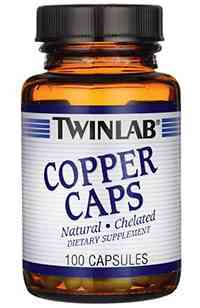 Requirements, absorption and antagonists for two closely linked trace elements.
What is Cellular Nutrition?
Dietary requirements of minerals and their levels are nearly impossible to establish using routine blood tests. Most electrolytes — calcium, magnesium, potassium — are subject to close homeostatic regulation regardless of dietary intake, while the accuracy of their measurements is compromised by collection, transport, hemolysis, storage, mineral ratios, or processing used.
Similar errors are encountered when trying to establish nutritional requirements through serum or plasma panels for zinc, manganese, phosphorus, chromium, selenium, copper, and most other trace elements.
While a nutrient rich diet may by adequate for the average, healthy individual, it would be inadequate for those suffering from nutrition related chronic diseases.


Myth: If one has a healthy diet, one does not need any supplementation.
Fact: If a large group of people were to follow the exact same dietary lifestyle and exercise program, a certain number would still suffer from high or low blood pressure, blood sugar, or stomach acid, while the rest may develop arthritis, cardiovascular disease, cancer, or mental illness…
Read More about whether a healthy diet removes the need for supplementationMyth: Water-soluble vitamins are not stored in the body, so mega-doses cannot cause harm.
Fact: Despite being water-soluble, Vitamin B6 can cause permanent, irreversible nerve damage when used improperly, while an excessive intake of Vitamin C has the potential of eventually causing zinc, copper, or calcium deficiencies in prone individuals…
Read More about the risks of mega-dosing water-soluble vitamins Muscle Spasms and Cramps
Various nutritional causes and treatments for this condition.
Muscle Spasms and Cramps
Various nutritional causes and treatments for this condition.
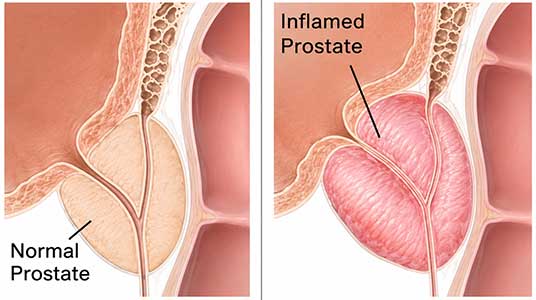 Prostatitis
A clinical perspective of why zinc should not be used in the treatment of this condition.
Prostatitis
A clinical perspective of why zinc should not be used in the treatment of this condition.
 Mineral Ratios
On maintaining a proper mineral ratio between calcium, magnesium and other elements.
Mineral Ratios
On maintaining a proper mineral ratio between calcium, magnesium and other elements.
 Chocolate
A critical look at the “chocolate is good for you” campaigns, and the health benefit myths.
Chocolate
A critical look at the “chocolate is good for you” campaigns, and the health benefit myths.
 Migraine Headaches
How common nutrients can both aggravate and ameliorate headaches, with treatment options.
Migraine Headaches
How common nutrients can both aggravate and ameliorate headaches, with treatment options.
 Cancer
Radiation, chemotherapy and anti-cancer drug therapies, and a possible low stomach acid association.
Cancer
Radiation, chemotherapy and anti-cancer drug therapies, and a possible low stomach acid association.